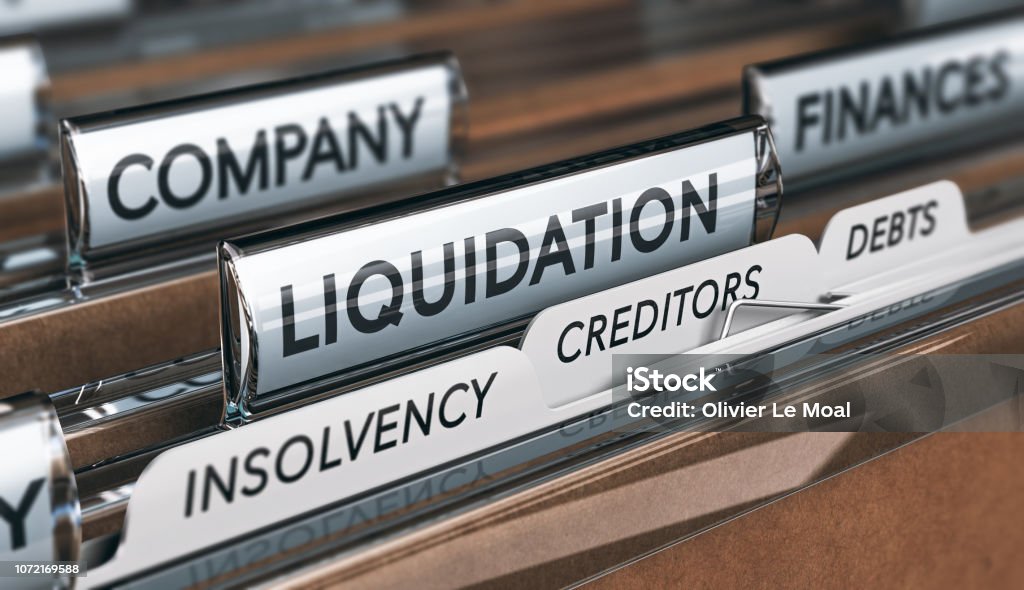
Closing a business is a serious corporate decision that carries legal and financial consequences. The process must follow statutory requirements to ensure proper dissolution. Company liquidation in South Africa involves the formal winding up of a registered entity in accordance with applicable legislation. It ensures that liabilities are settled and the business is lawfully removed from official records. This guide explains the types of liquidation, procedural steps, compliance obligations, and key considerations for directors and shareholders.

Understanding liquidation
Liquidation is the structured process of bringing a company’s affairs to an end. It involves collecting assets, settling debts, and distributing any remaining funds to shareholders. Once the process is finalized, the entity ceases to exist as a legal person. It can no longer conduct commercial activities. Liquidation may occur voluntarily or through a court process, depending on the company’s circumstances.
Types of liquidation
There are generally two primary forms of dissolution.
- Voluntary liquidation
- Compulsory liquidation
Voluntary liquidation occurs when shareholders resolve to wind up the business. Compulsory liquidation usually follows a court order, often due to insolvency or creditor action. The appropriate route depends on the company’s financial position and internal resolutions.
Grounds for voluntary winding up
Shareholders may decide to wind up a company for several reasons.
- Financial distress
- Business inactivity
- Strategic restructuring
- Completion of objectives
- Shareholder agreement
A formal resolution must be passed in accordance with the company’s Memorandum of Incorporation.
Step by step liquidation procedure
The winding up process follows a structured legal sequence.
Adoption of shareholder resolution
The shareholders must approve the decision to dissolve the entity. The resolution must be properly documented and filed where required. This step formally initiates the dissolving process.
Appointment of a liquidator
A liquidator is appointed to manage the winding up. This individual assumes control of the company’s affairs during the process. The liquidator is responsible for safeguarding assets and dealing with creditors.
Notification and filing requirements
Relevant notices must be submitted to regulatory authorities. Public notification may be required to inform creditors of the dissolution. Proper filing ensures transparency and regulatory compliance.
Settlement of liabilities
Outstanding obligations must be identified and settled. Creditors are generally paid before any distribution to shareholders. Accurate financial records are essential during this stage.
Distribution of remaining assets
After settling debts, any surplus may be distributed to shareholders in proportion to their rights. Distribution must follow the company’s governing documents and applicable legislation.
Deregistration of the entity
Once the dissolving is complete, the entity must be formally deregistered. Deregistration confirms that the company has ceased to exist. Failure to complete deregistration may expose directors to ongoing risk.
Role of directors during liquidation
Directors must act responsibly once financial distress becomes apparent. Continuing to trade while insolvent may create personal liability risks. Cooperation with the appointed liquidator is essential. Directors must provide access to records and relevant information. Compliance with statutory duties protects directors from potential claims.
Timeframe considerations
The complexity of the business’s operations determines how long the procedure takes. Entities with minimal assets and liabilities may complete the procedure more quickly. Where disputes or creditor claims arise, the timeline may extend. Proper preparation and professional guidance can reduce delays.
Risks of improper closure
Informal closure without following statutory procedures can create serious consequences. The company may remain legally active despite ceasing operations. Outstanding obligations may continue to accrue. Directors and shareholders may face regulatory scrutiny. Proper compliance ensures an orderly and legally sound dissolution.
Importance of professional guidance
The legal framework governing dissolution is technical and procedural. Errors in documentation or filing may delay the process. Professional legal and accounting advisors can assist with compliance and creditor communication. Structured oversight promotes a smooth transition and risk mitigation.
Final considerations
Company dissolving in South Africa requires formal approval, structured administration, and regulatory compliance. The process ensures that creditors are treated fairly and the entity is lawfully removed from official records. Businesses considering dissolution should approach the procedure carefully and seek professional advice where necessary. Proper execution safeguards directors, shareholders, and creditors while ensuring compliance with applicable legislation.
You may also find these articles helpful
Guide on company liquidation in Equatorial Guinea
Guide on company liquidation in Comoros
Guide on company liquidation in Chad