In the rhythm of business, not every venture marches forever. Some bloom then fades, not from failure but from change, from evolution, from reality simply shifting. In Côte d’Ivoire, liquidating a company is about respectfully closing a chapter, with every document, every signature, every step acknowledging the journey that once had so much fire. This article mentions all the key steps, costs, and legal rituals involved in the liquidation of a company in Côte d’Ivoire.
Beginning the end
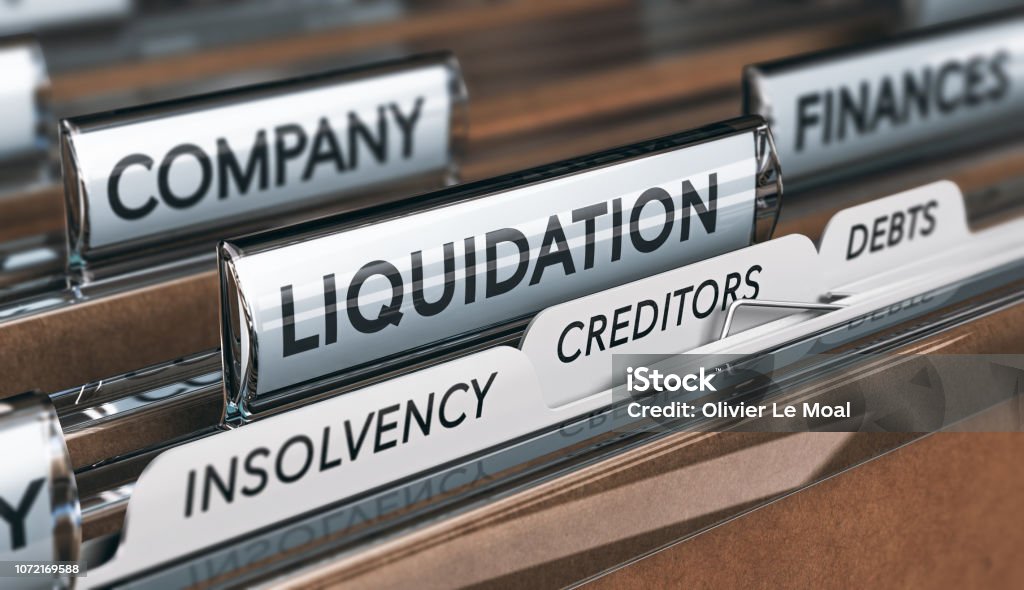
Liquidation doesn’t start with a form. It starts with a boardroom silence. A conversation is heavy with realization. The decision to close a company in Côte d’Ivoire is formalized through a resolution—either by the shareholders voluntarily or, in more painful situations, by court order due to insolvency. That moment, that vote, that unanimous signature, is where the journey of liquidation begins. It’s both an act of courage and humility.
Types of liquidation
There are two main forms of liquidation in Côte d’Ivoire: voluntary and judicial. Voluntary liquidation, or liquidation amiable, is done when the company is solvent but its journey has simply run its course. Maybe it served its purpose. Maybe the owners are moving on. Then there’s judicial liquidation, or liquidation judiciaire, which is darker—initiated when the company can no longer pay its debts. It’s not just about paperwork; it’s about unraveling something once full of ambition, now weighed down by obligations.
The role of the liquidator
Once the decision is official, a liquidator is appointed. This person becomes the soul in charge of guiding the company through its final days. In a voluntary liquidation, shareholders can appoint someone they trust. In judicial cases, the court assigns a professional. The liquidator isn’t just a legal figure. They become the company’s final voice—responsible for selling assets, settling debts, closing accounts, and delivering final reports. Their role is as sensitive as it is structured.
Publication and declaration
Transparency is sacred in liquidation. The decision to liquidate must be published in the official journal or a legal gazette in Côte d’Ivoire. This isn’t just red tape—it’s respect. Suppliers, partners, creditors, and even former employees deserve to know. Publishing the decision is both a legal necessity and a moral one. It marks the shift from quiet internal decisions to public accountability.
Asset liquidation and debt settlement
The liquidator steps into the messy middle. Assets are identified and sold, sometimes at a loss, sometimes with quiet satisfaction. Debts are listed, creditors contacted, and negotiations made. It’s not a sterile process. There are phone calls where voices tremble, old partners express disbelief, and sometimes creditors show understanding that leaves a lump in the throat. The liquidator navigates it all, with the law on one side and empathy on the other.
Tax clearance and social obligations
In Côte d’Ivoire, liquidation doesn’t excuse you from tax responsibility. Before a company can truly rest, it must settle all taxes and receive clearance from the tax authorities. VAT, corporate tax, any outstanding payroll charges—everything must be wrapped up. The same goes for social security obligations to CNPS. Employees, even those long gone, are part of this closure. Final declarations, contributions, and notices are not optional—they’re acts of closure with honor.
Final reports, registrations, and erasure
The liquidator prepares a final liquidation report—a financial and legal summary of the end. This report is submitted to shareholders or the court for approval. Once accepted, the company is deregistered from the Commercial Registry, and a final publication is made. This is the moment the company officially ceases to exist. It’s not always accompanied by cheers. Sometimes it’s just quiet. A name erased from a ledger, but not from memory.
Costs that reflect complexity
Liquidation costs vary—legal fees, publication charges, liquidation professional fees, tax settlements, and sometimes severance payments. On average, a simple voluntary liquidation may cost between $2,000 to $5,000. A judicial one? More. Especially if debt is high or disputes arise. But these aren’t just expenses—they’re the price of responsible closure. Of tying every loose end. Of not disappearing, but exiting like professionals.
Final reflections
Liquidation in Côte d’Ivoire is not defeat. It’s a reckoning. It’s an end written with care, not shame. The law ensures structure, but the human heart brings meaning. Whether your company soared or struggled, whether it lasted three years or thirty, liquidating it with integrity is a powerful final act. Businesses, like stories, don’t always last forever—but how they end matters just as much as how they began.
You may also find these articles helpful
Guide on Company Registration in Côte d’Ivoire
Types of legal business structures in Côte d’Ivoire