With a prime location, a robust financial industry, and alluring tax advantages, this Caribbean treasure has more than simply stunning beaches and a flourishing culture. However, you must choose the appropriate legal structure for your company before you can begin. Why is this important? Everything will depend on your decision, including taxes, liabilities, regulations, and even the amount of paperwork you have to deal with. Let’s dissect it straightforwardly.
1. Sole proprietorship
Best for: Small businesses, freelancers, solo entrepreneurs
The most basic and uncomplicated company structure is a sole proprietorship. This might be your greatest option if you’re operating your business alone, whether you’re a small store owner, consultant, or artist.
Pros:
- Easy and cheap to set up
- Full control over decision-making
- Minimal legal and administrative requirements
Cons:
- You’re personally liable for debts and legal issues
- Can be harder to raise capital
- No separation between business and personal assets
2. General partnership
Best for: Two or more people starting a business together
A general partnership is when two or more people join forces to run a business. This could be a family business, a restaurant, or even a law firm. Partners share responsibilities, profits, and, unfortunately, liabilities.
Pros:
- Easy to establish
- Shared responsibilities and skills
- No corporate income tax (partners pay personal income tax on profits)
Cons:
- Unlimited liability—if your partner messes up, you’re also responsible
- Potential for conflicts if things aren’t properly documented
- If one partner leaves, the business may dissolve
A general partnership is great if you trust your business partners 100%. Otherwise, things can get messy fast. Always have a solid partnership agreement in place!
3. Limited partnership
Best for: Investors who want to be involved but limit their liability
A limited partnership is like a general partnership but with two types of partners:
- General partners who run the business and have unlimited liability.
- Limited partners who invest money but don’t get involved in day-to-day operation.
Pros:
- Easier to attract investors
- Limited partners aren’t personally liable
- Flexible structure
Cons:
- General partners still have unlimited liability
- Limited partners have no say in daily operations
- Requires more legal paperwork than a general partnership
This setup is ideal if you want to bring in investors without giving them control over the business.
4. Private limited liability company
Best for: Small to medium-sized businesses that want legal protection
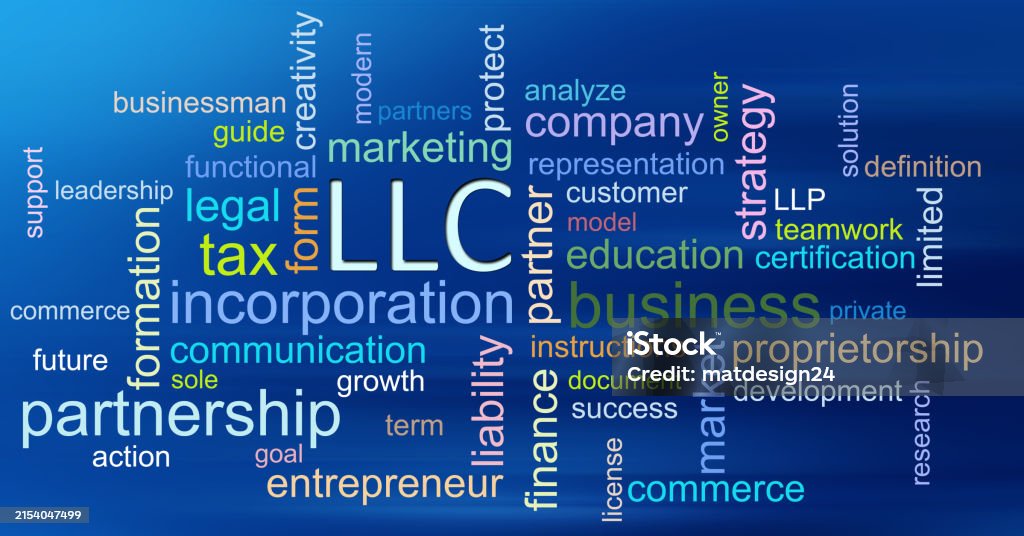
A BV (Besloten Vennootschap) is one of the most popular legal structures in Curaçao. It’s like an LLC (Limited Liability Company) in the U.S. You create a separate legal entity, meaning your assets are protected if the business runs into trouble.
Pros:
- Limited liability—your assets are safe
- Can be owned by one person or multiple shareholders
- Easier to raise capital than sole proprietorships or partnerships
Cons:
- More legal and administrative requirements
- Requires an initial capital investment
- Subject to corporate taxes
5. Public limited liability company
Best for: Large businesses planning to raise capital from investors
An NV (Naamloze Vennootschap) is similar to a BV but designed for larger businesses, especially those looking to attract investors or go public. Shares can be freely traded, and the company structure is more formal.
Pros:
- Ideal for large-scale businesses
- Easy to raise capital through stock sales
- Shareholders have limited liability
Cons:
- More complex legal and financial requirements
- Higher setup and operational costs
- Requires a board of directors
If you’re thinking big—like international business big—an NV is the way to go.
6. Foundation and foundation with limited liability
Best for: Charities, estate planning, or asset protection
A foundation (Stichting) is typically used for non-profit purposes, such as charities and social projects. However, Curaçao also has a unique type of foundation—the Stichting Particulier Fonds (SPF)—which is often used for estate planning and asset protection.
Pros:
- Excellent for wealth management and inheritance planning
- Can operate without shareholders
- Strong privacy protections
Cons:
- Cannot engage in commercial activities unless specified in its statutes
- Complex legal setup
So, which one should you choose?#
Here’s a quick cheat sheet:
- Just you, keeping it simple? Sole Proprietorship (Eenmanszaak)
- Starting with a partner? General Partnership (VOF) or Limited Partnership (CV)
- Want to limit personal risk? Private Limited Liability Company (BV)
- Thinking big with investors? Public Limited Liability Company (NV)
- Managing a charity or assets? Foundation (Stichting) or SPF
Your long-term vision, risk tolerance, and business objectives will all influence the structure you choose. Always get advice from a Curaçao legal or financial professional if in doubt.
You’re one step closer to realizing your company’s ambition now that you are aware of your alternatives. I wish you well and welcome to Curaçao’s business community!
You may also find these articles helpful
Types of Legal Business Structures in Mozambique
Types of legal business structures in Lesotho
Guide on company registration in Sint Eustatius