Company liquidation in Gambia is not just a legal process; it’s the bittersweet ending of a business journey. Whether it’s due to financial struggles or regulatory reasons, winding up a company is a delicate process that requires patience, precision, and a deep understanding of Gambian corporate laws. This guide will walk you through it with clarity and a touch of humanity.
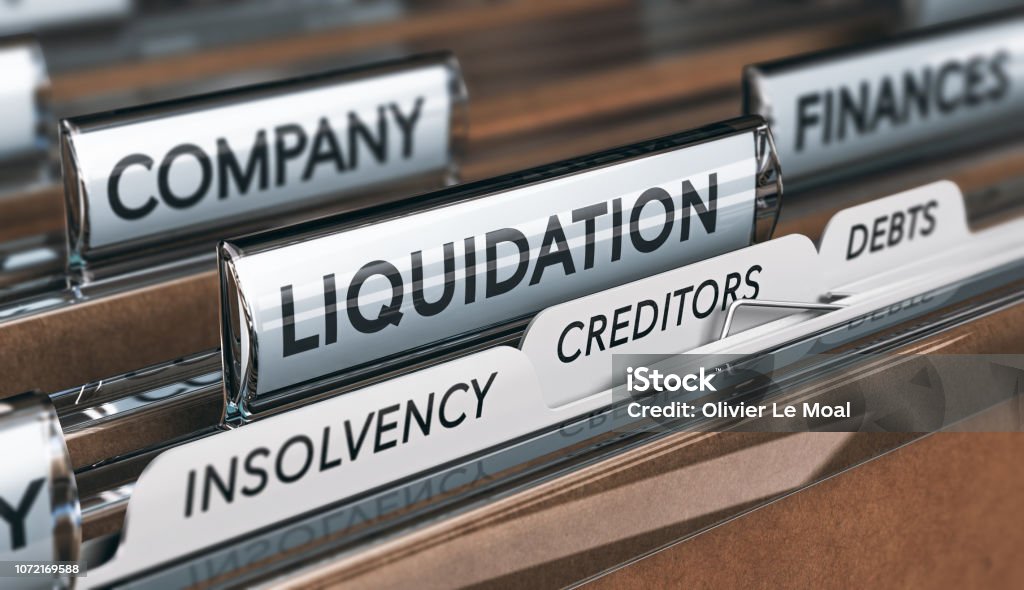
Understanding the heart of liquidation
Liquidation is not just about closing shop—it’s about doing it right. It’s about ensuring that employees get what they’re owed, creditors aren’t left hanging, and legal obligations are met with dignity. In Gambia, liquidation falls under the Companies Act, making it a structured, lawful process. Think of it as giving your business a proper farewell, not just walking away.
Voluntary liquidation
Sometimes, a company’s owners decide that it’s time to end things peacefully. Voluntary liquidation happens when shareholders or directors realize that the business has served its purpose, and it’s better to exit on their terms. This involves holding a meeting, passing a special resolution, appointing a liquidator, and settling all affairs. A graceful exit, tied up with a neat legal bow.
Compulsory liquidation
Unlike voluntary liquidation, compulsory liquidation is not in the hands of the company’s owners. It happens when creditors or regulatory bodies push for closure due to unpaid debts, legal violations, or mismanagement. The Gambian courts step in, and appoint a liquidator, and the company’s assets are sold to repay debts. It’s the harsh reality of corporate failure, wrapped in legal proceedings.
The role of the liquidator
A liquidator is like the last employee of a dying company. Appointed to oversee the entire liquidation process, they sell off assets, pay creditors, and ensure legal formalities are followed. In Gambia, liquidators must be independent professionals who handle the process fairly. They are the silent hands that ensure the business’s last moments are dignified and lawful.
Creditors and employees
When a company closes, it’s not just a legal event—it’s a human one. Employees wonder about their final paychecks, creditors hope to recover their money, and investors brace for financial loss. Gambian laws prioritize paying employees first, followed by secured creditors, and then unsecured creditors. It’s a delicate balancing act, ensuring fairness in the face of financial loss.
Asset liquidation
Every desk, chair, vehicle, and machine a company owns is a piece of its legacy. When liquidation begins, these assets are sold off—sometimes at auctions, sometimes privately. The money goes into settling debts and legal fees. It’s not just about numbers; it’s about breaking down a company’s physical existence into final monetary value before it disappears from the corporate world.
Settling debts
Debt does not vanish when a company is liquidated. The money owed to banks, suppliers, and service providers must be settled as best as possible. Gambian laws dictate a priority order—secured creditors first, then preferential claims like employee wages, and finally unsecured creditors. Liquidation is about fairness, making sure everyone gets what they legally deserve before the company fades away.
The legal paperwork
Liquidation in Gambia is not just about selling assets and paying debts—it’s also a mountain of paperwork. Resolutions, court orders, financial statements, creditor notices, and final tax returns must all be completed. It’s the official stamp that ensures a company is truly gone, with no loose ends. The bureaucracy may be exhausting, but it’s what makes the closure official.
Tax and compliance
Even in death, a company must settle its tax obligations. Before a company can be legally closed, the Gambian tax authorities must confirm that all corporate taxes are cleared. From VAT to corporate income tax, every financial obligation must be settled. Only when the tax clearance is issued can the company take its final breath in the corporate world.
Final dissolution
The true end of a company comes with its deregistration from the Gambian business registry. After liquidation is complete, the company’s name is struck off, and legally, it ceases to exist. It’s a quiet but powerful moment—where a business that once thrived officially becomes history, its existence reduced to records in an archive.
Life after liquidation
The end of a company is not the end of everything. Owners move on, employees find new jobs, creditors adjust, and new businesses emerge. Liquidation is just a chapter—sometimes painful, sometimes necessary—but never the end of the story. It’s the natural cycle of business: birth, growth, challenges, and, when needed, a graceful exit.
Conclusion
Company liquidation in Gambia is more than just a legal process—it’s a business’s final act. Whether voluntary or compulsory, it must be handled with care, fairness, and respect. Understanding the laws, the steps, and the human impact makes all the difference. In the end, liquidation is not just about closing a company; it’s about closing it the right way.
You may also find these articles helpful
Types of legal business structures in the Gambia
Guide on Company Registration in the Gambia
Guide on Company Registration in Gabon