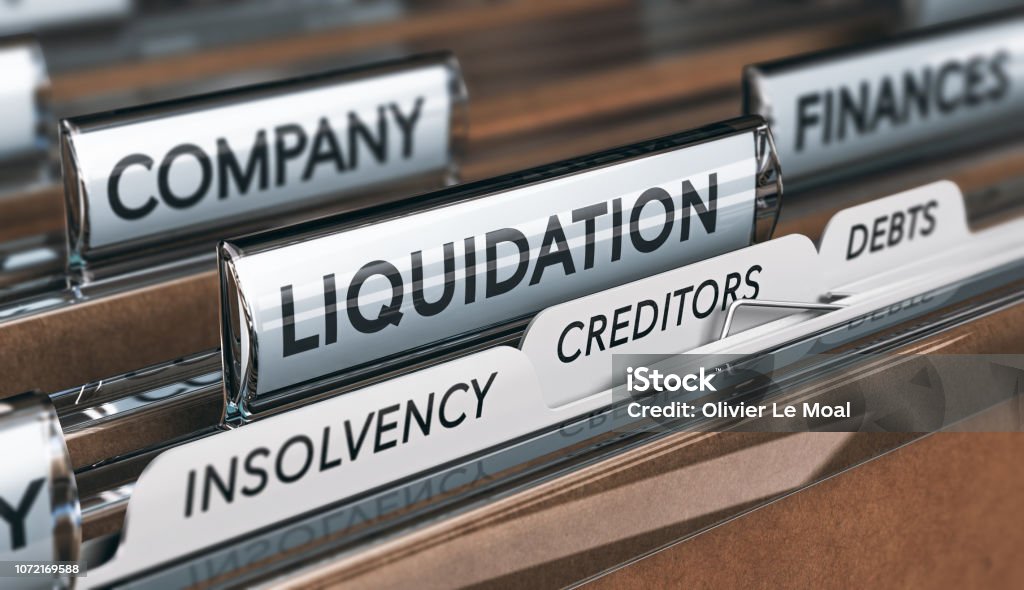
The procedure of liquidating a company in the Democratic Republic of the Congo (DRC) is complicated and subject to financial and legal rules. It entails paying off debts, distributing any residual assets, and dissolving a business. It is crucial to comprehend the process to guarantee adherence to Congolese regulations and prevent legal issues. The main procedures and things to think about while liquidating are described in this guide.
Legal framework for liquidation
The OHADA Uniform Act on Commercial Companies and Economic Interest Groups is the main law governing company liquidations in the Democratic Republic of the Congo. All companies doing business in OHADA member nations, including the DRC, are subject to this legislative framework. Depending on the situation, a court may order a liquidation or it may be voluntary. To guarantee a seamless procedure and stay out of trouble, compliance with legal standards is essential.
Reasons for liquidation
Companies in the DRC may go out of business because of legal infractions, shareholder conflicts, strategic reorganization, or insolvency. When a business is unable to pay its debts, it becomes insolvent. Disagreements among shareholders may render company operations unsustainable. Liquidation is a restructuring option for certain businesses. Government action or regulatory noncompliance may also result in a company’s permanent closure.
Voluntary liquidation process
When business owners choose to shut down, this is known as voluntary liquidation. A resolution approved by the shareholders starts the procedure. To supervise asset distribution, debt payments, and regulatory compliance, a liquidator is hired. The liquidator notifies the appropriate authorities, workers, and creditors. The business is legally dissolved through the distribution of assets and the settlement of debts.
Court-ordered liquidation
When a business is insolvent or breaks the law, a court-ordered liquidation takes place. A liquidator is appointed by the court to oversee asset sales and creditor payments. By legal priorities, the liquidator guarantees equitable distribution. Misconduct may also be looked into by authorities. The procedure is supervised by the court until its ultimate dissolution. This approach is frequently time-consuming and entails complicated legal issues that call for expert advice.
Role of the liquidator
An essential part of overseeing the liquidation process is the liquidator. They negotiate debt settlements, evaluate the company’s assets, and ensure the law is followed. Among their duties are asset sales, debt repayment, and reporting to the court or shareholders. Fairness and openness are guaranteed by a skilled liquidator. The effectiveness and legality of the whole liquidation procedure are directly impacted by their activity.
Employee rights and obligations
Workers must be made aware of their rights and the liquidation process. Labor regulations must be followed in the settlement of benefits, unpaid salary, and severance compensation. The business must adhere to the protocols specified in employment contracts and give adequate notice. Employees may be given preference when allocating assets in the event of insolvency. Maintaining adherence to labor laws helps prevent disagreements and legal action.
Creditor claims and debt settlement
During liquidation, creditors have the authority to demand unpaid debts. In order to guarantee that secured obligations are settled first, the liquidator groups claim according to priority. Claims from creditors must be made within the allotted period. Settlements may be reached through negotiations. The money left over after debts are paid off is given to shareholders. A fair debt settlement protects all parties involved and guarantees legal resolution.
Asset distribution and final closure
Shareholders get the residual corporate assets once debts are paid off. The distribution complies with shareholder agreements and regulatory requirements. Shareholders receive their portion according to ownership proportion if assets surpass obligations. Deregistering the business from regulatory bodies is the last phase. The appropriate paperwork is turned in to verify the business’s formal closure and legal non-existence.
Tax and regulatory compliance
Notifying tax authorities of a company’s liquidation is required. The procedure cannot be completed until all outstanding taxes have been paid. The business has to get tax clearing certificates, pay its debts, and file its final tax reports. It is crucial to abide by financial and company licensing laws. The liquidation procedure may be delayed if tax obligations are not met because of potential legal repercussions.
Challenges in liquidation
Issues with asset assessment, creditor conflicts, and bureaucratic delays are some of the difficulties facing DRC liquidation. Government procedures can take a long time and need patience and knowledge. Legal disputes may arise from disagreements with creditors over debt payments. Accurately estimating asset values is essential to preventing disputes. A seamless and legally compliant liquidation is ensured by successfully addressing these issues.
Importance of legal and financial advisors
Financial and legal counsel are essential during liquidation. Attorneys manage legal problems and make sure that business laws are followed. Financial professionals help with tax requirements, debt settlement, and asset value. Their direction lowers hazards when navigating intricate processes. Expert assistance increases productivity and guarantees that liquidation is finished on schedule and lawfully.
Conclusion
In the DRC, company liquidation necessitates meticulous preparation, adherence to the law, and sound financial management. The procedure involves several processes, such as debt settlement, asset distribution, and tax clearing, and can be either voluntary or mandated by the court. Employing financial and legal experts guarantees a seamless transition. The interests of creditors, workers, and shareholders are safeguarded by proper execution, which also avoids legal issues.
You may also find these articles helpful
Types of legal business structures in the Democratic Republic of the Congo
Guide on Company Registration in the Democratic Republic of Congo
Taxes in the Democratic Republic of Congo