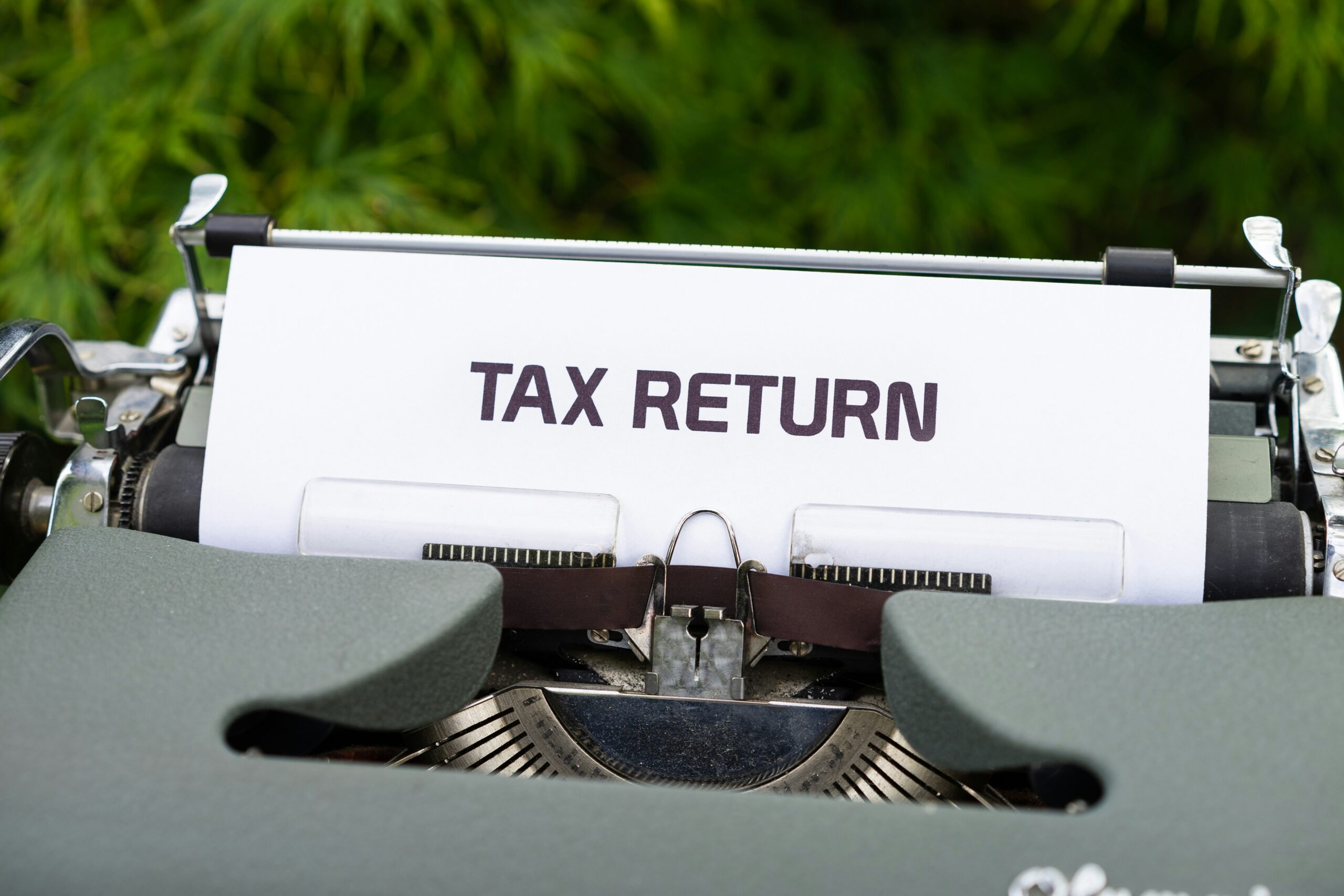
Filing for a tax return in Comoros is not simply a legal requirement. It is a ritual of accountability, a reflection of a company’s truth on paper, and a gesture of staying visible to the system that hosts you. In the Comorian business world—where personal connection and formal law coexist—you don’t just apply for a tax return. You do it with intention, clarity, and care. This guide walks you through every detail of the process, not just as a checklist, but as a human process grounded in patience and respect.

Understand the tax system in Comoros
In Comoros, the tax framework follows a structured but nuanced path. Businesses are subject to both national and local taxation. The Direction Générale des Impôts (DGI) oversees the tax administration. While the law is firm, the atmosphere is personal.
Types of taxes companies may deal with:
- Impôt sur les Sociétés (IS) – corporate income tax
- Taxe sur la Valeur Ajoutée (TVA) – value-added tax, applicable based on thresholds
- Taxe professionnelle unique (TPU) – a flat business tax for small enterprises
- Withholding tax, if applicable
Filing for a tax return means formally declaring your income and requesting assessment or reimbursement of overpaid tax where eligible. It is a detailed expression of transparency.
Prepare financial records
Before you even approach the tax office, your financial story must be in order. You can’t rush this part. It’s about reflection. Every figure you write down echoes decisions made, risks taken, and goals pursued.
Documents to prepare:
- Profit and loss statements
- Balance sheet
- Bank statements
- VAT declaration summaries (if applicable)
- Expense reports and supporting invoices
- Payroll records (if you employ staff)
In Comoros, auditors or in-house accountants are often involved, even for small companies. If you’re a foreign investor or running a subsidiary, having a local accountant guide you through the numbers is invaluable. They know not just the numbers—but how the numbers are read by officials.
Download or collect the tax forms
You’ll need the tax return forms, specific to the type of company you operate and the taxes you are subject to. While the digital infrastructure is slowly growing, in Comoros, many forms are still physical—collected in person from the tax office or obtained via official contacts.
Key forms include:
- Annual Corporate Tax Return (Déclaration de résultat)
- TVA Declaration form
- Annexes for expenses, depreciation, or exemptions
- Request for a refund (if claiming a return on overpayment)
Forms must be filled out in French. Every figure must be backed by documentation. This is where precision replaces assumption. This is where calm matters more than speed.
Complete the tax return form
Now, the translation begins—from operations into numbers, from intention into tax language. Completing the form is more than arithmetic. It’s a form of storytelling.
You will need to:
- Declare total revenues earned
- Deduct eligible expenses
- Indicate depreciation and amortization
- Calculate net profit or loss
- Apply the corporate tax rate (varies by size and category)
- Indicate taxes already paid via advance installments
If there is excess tax paid, or if you are eligible for a credit, you formally request a return. That request must be framed with care. The tax office does not guess—your documents must tell the whole story.
Submit to the tax office
Submission is usually done in person, especially for first-time or foreign-owned companies. The tax official at the DGI will receive the file, check for completeness, and issue a receipt of the declaration. This moment is quiet but deeply important.
Required items:
- Completed forms
- Financial statements
- Original supporting documents
- Identity documents of the legal representative
- Any previous tax payment receipts
If you are represented by a local accountant or lawyer, they must have a signed mandate to act on behalf of the company. Trust is everything here—every document must align. Every step must be verified.
Wait for tax assessment or refund
Once submitted, the file is reviewed. The tax office may contact the company for clarification or supporting documents. In Comoros, this review can take time. There’s no automation. No instant updates. Just people, pens, and patience.
If a refund is approved, it is usually paid by bank transfer or by credit against future tax obligations. This is handled with dignity. The approval is not taken lightly. It is a recognition of honesty and diligence.
Keep all records safe
Even after the return is processed, your duty continues. Store all copies—forms, receipts, assessments, and refund confirmations. In Comoros, the past often reappears in the present. Audits may occur years later. What’s filed now may be asked about again.
Final thoughts
Applying for a tax return in Comoros is not mechanical. It is careful, deliberate, and deeply human. Behind every number lies a decision. Behind every form is a relationship—with your team, with the tax office, with the laws of the land.
You do not rush this process. You approach it like you would a quiet conversation—with presence, with preparation, and with respect for the system and the people inside it. In the end, filing a tax return here is more than a legal step—it’s an act of belonging. When done properly, it builds not just compliance, but quiet trust.
You may also find these articles helpful
Guide on company registration in Comoros
Types of legal business structures in Comoros